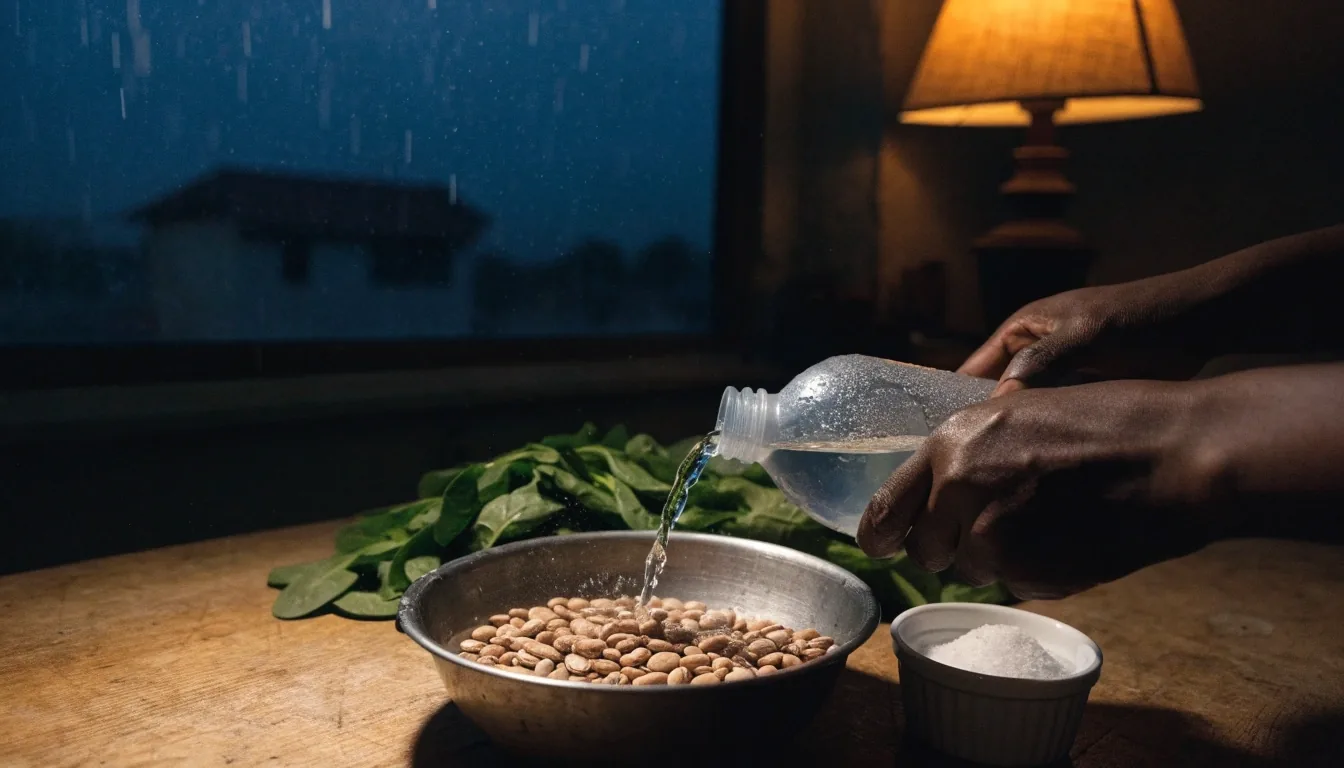
Building a balanced diet with everyday foods
A balanced diet isn't a shopping list from a foreign magazine. In Botswana it's built from what's on the shelf and in the field, and this page shows how to combine everyday staples so meals carry more nutrition without costing more.
Most households do not need a new ingredient list. They need two or three companion foods beside the staple that is already in the pot tonight.
Energy beside the staple
Protein at low cost
Kitchen basics
What "balanced" actually means
Balance is a matter of variety, not perfection. A meal is more complete when it contains a staple grain, something from the legume or protein side, and a vegetable or fruit. Doing that at most meals across a week is what supports long-term health. A single flawless meal matters far less than the pattern.
That is the practical meaning of food diversity, and it is why this page keeps returning to the same question: what sits beside the porridge tonight? A household that answers that question differently across a week is already eating better than one chasing a perfect recipe it will only cook once.
The staple grain stays
Mealie meal and sorghum are not the problem. They are affordable energy and they belong on the plate. The change to make is what sits beside them. Maize porridge alongside beans, morogo, and a spoon of peanut butter covers far more ground than a plain bowl, and it still costs what a bowl costs.
Nothing here asks a household to swap its staple for an imported one. The grain is doing its job. The work is filling in the two or three compancons that turn an energy base into a fuller meal — and those companions are the cheapest items on most Botswana shelves.
Legumes are the affordable protein
Beans, ditogo, lentils, and groundnuts deliver protein at a fraction of the price of beef. They also bring fibre, which most diets in Botswana are short on. The 2011 National Health Policy was explicit that a diet high in fa, salt and sugar and low in fibre contributes to serious illnesses including heart disease, diabetes and some cancers. Legumes pull in the opposite direction.
They also stretch. A pot of beans cooked with tomato and onion covers several meals, keeps in a cool place, and reheats the next morning. For households watching spending, that reliability matters as much as the nutrient content.
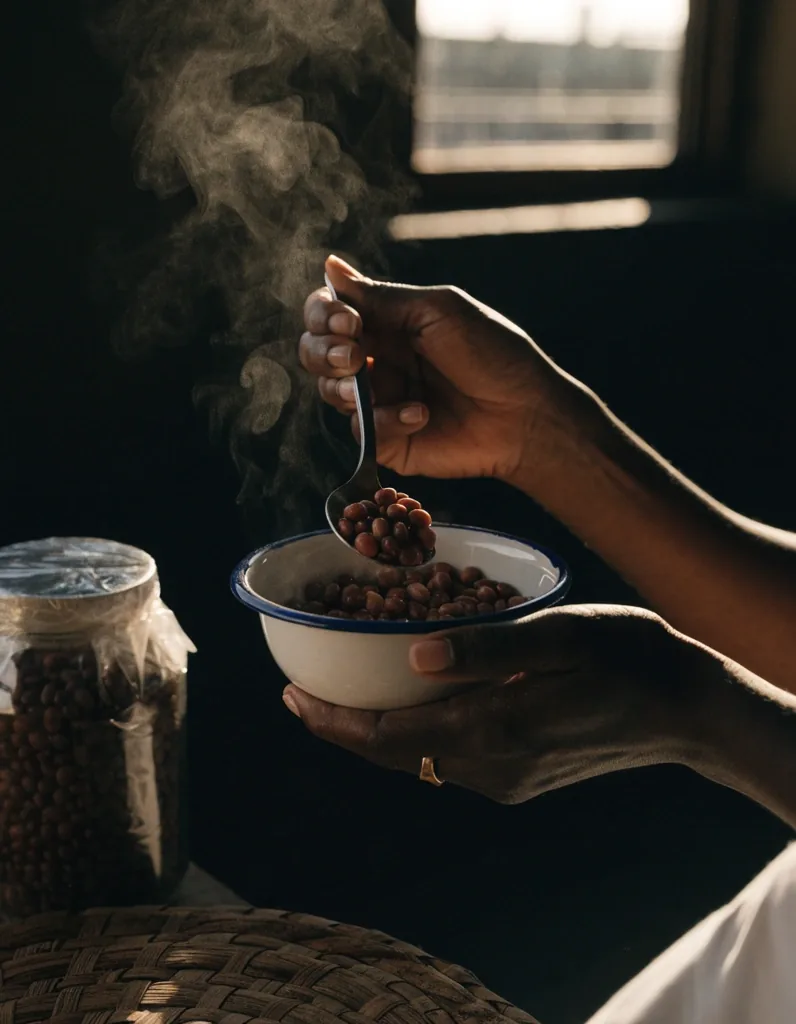 Beans
Protein and fibre at low cost
staple jar
Beans
Protein and fibre at low cost
staple jar
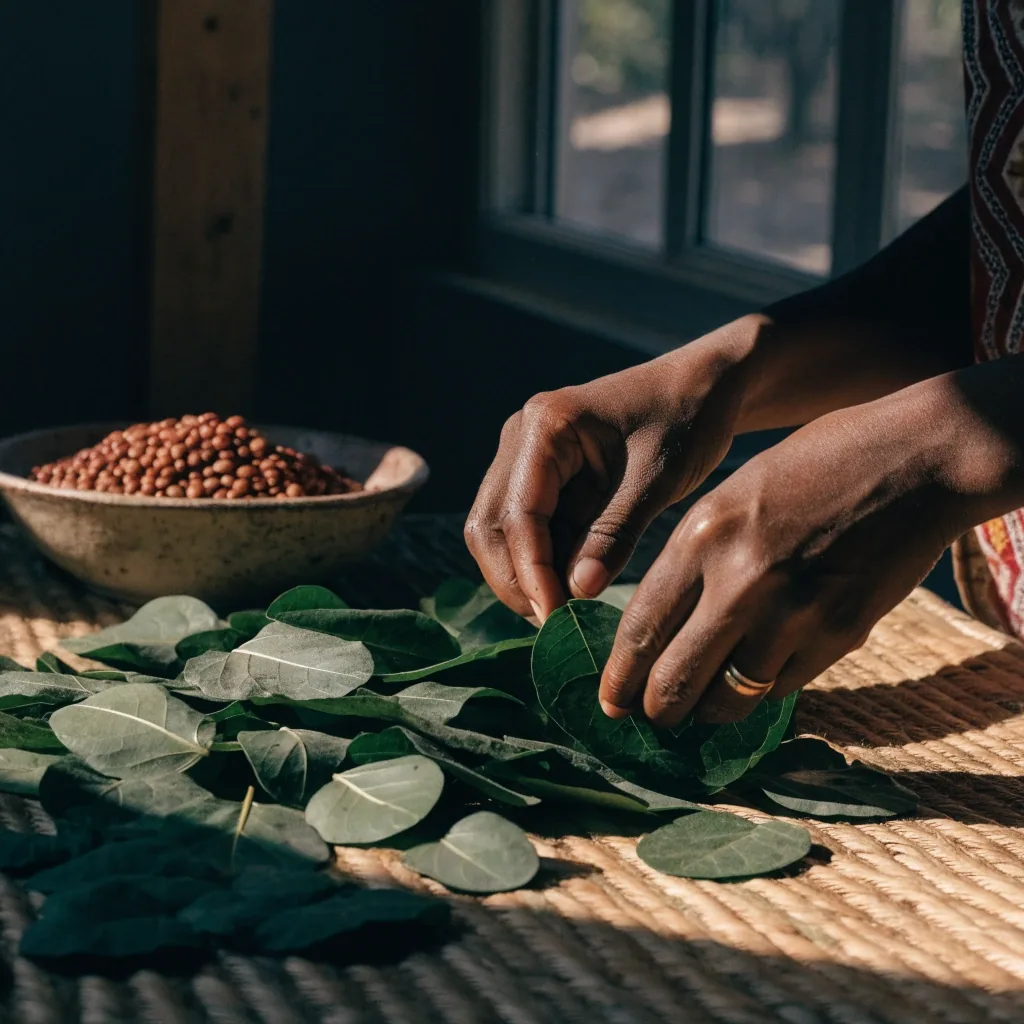 Morogo
Vitamins and minerals for little money
in season
Morogo
Vitamins and minerals for little money
in season
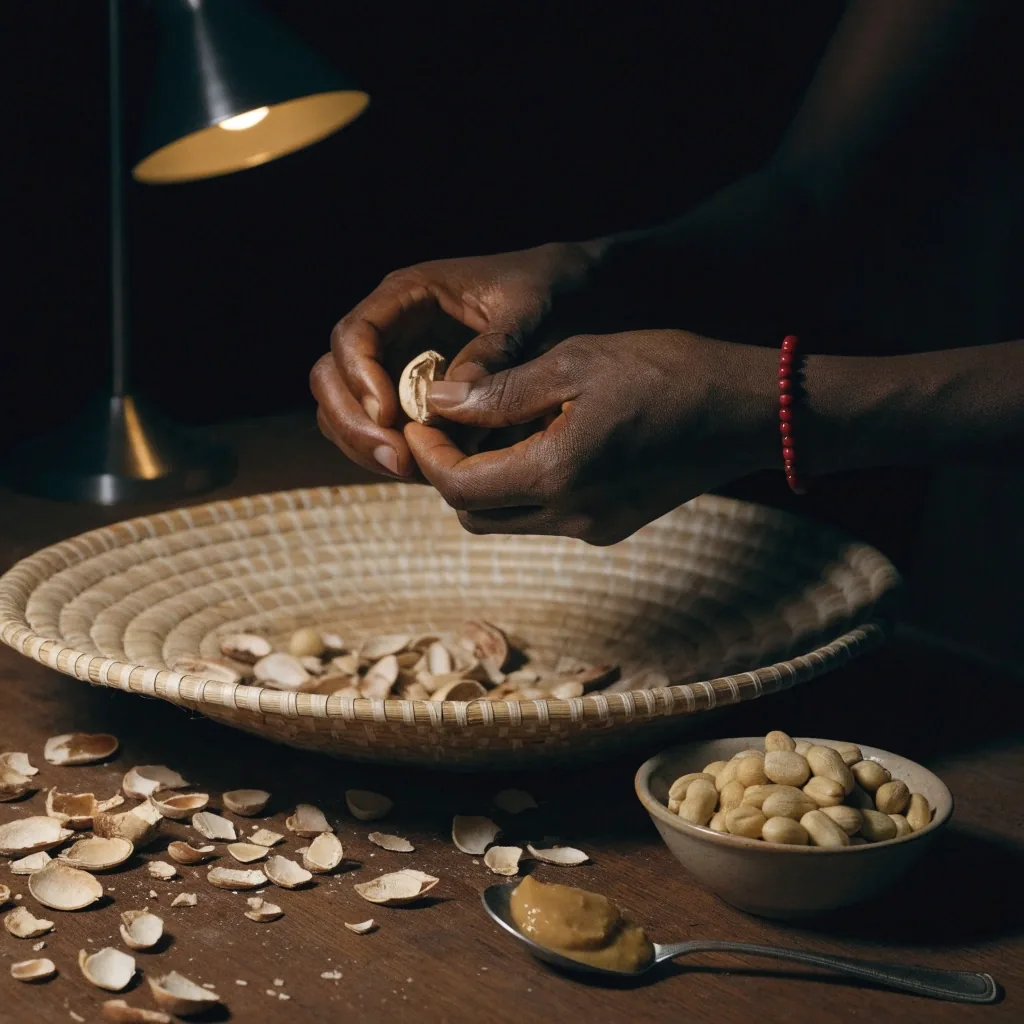 Groundnuts
Energy and protein; peanut butter counts
1 spoon
Groundnuts
Energy and protein; peanut butter counts
1 spoon
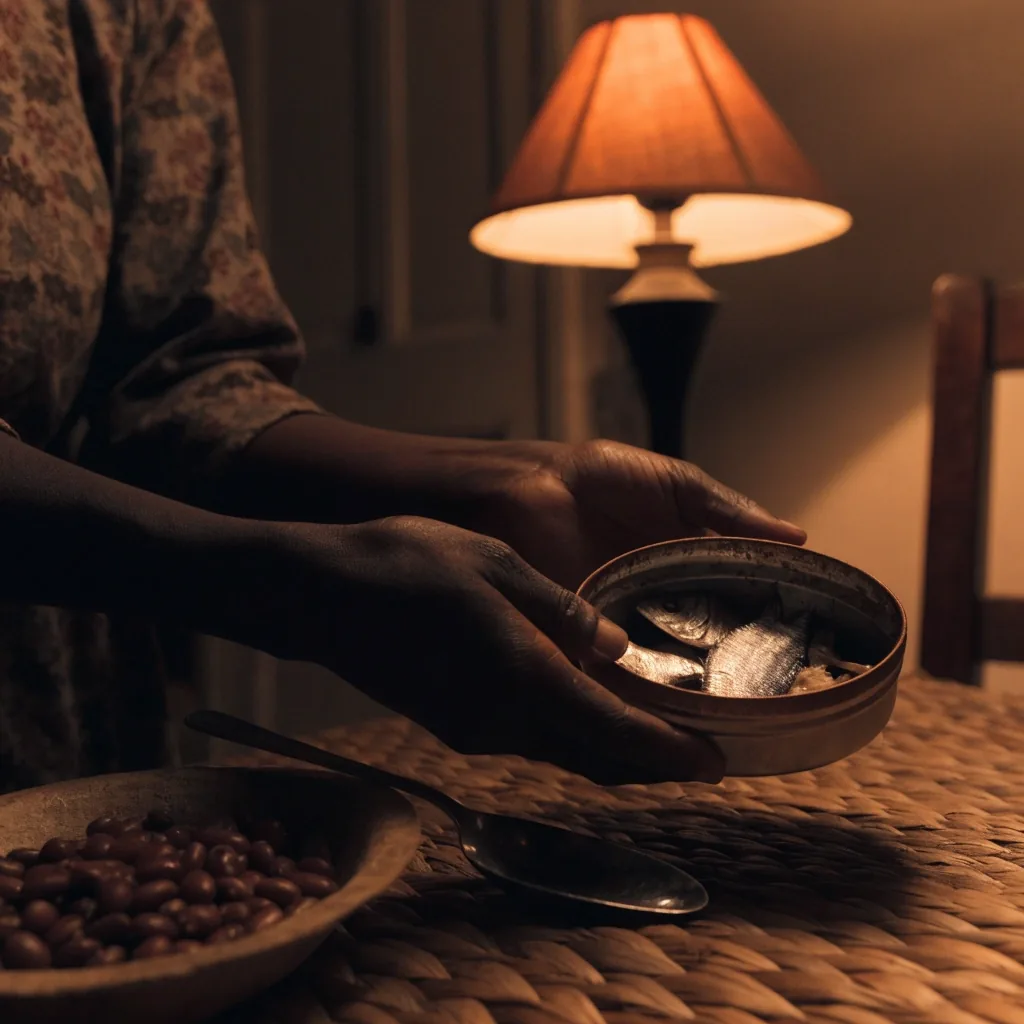 Tinned fish
Keeps for months; watch the salt
1 tin
Tinned fish
Keeps for months; watch the salt
1 tin
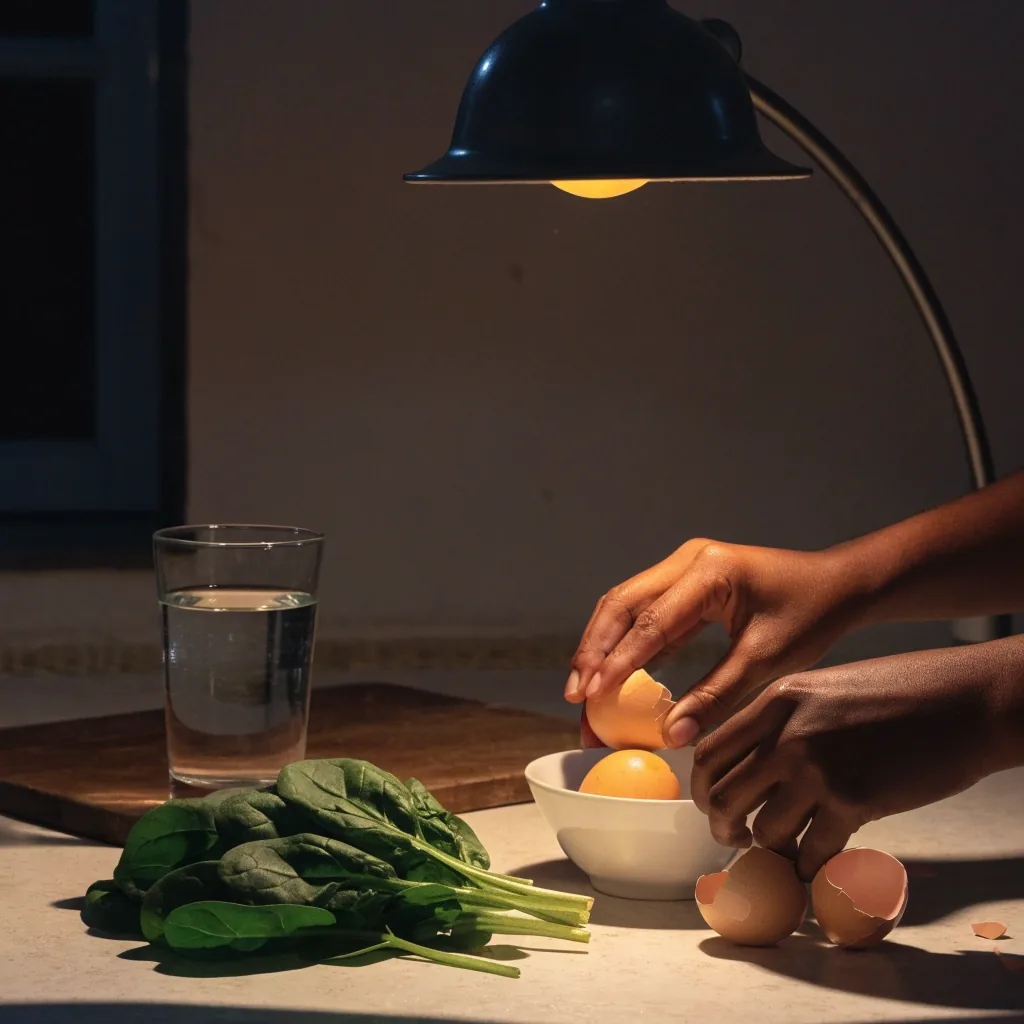 Eggs
Quick protein for breakfast or a light supper
as needed
Eggs
Quick protein for breakfast or a light supper
as needed
Values describe typical household use across a week, not a prescription. Portion size still depends on who is eating and how active they are.
Food diversity is the target
If you remember one rule from this page, make it variety over volume. WHO's Botswana profile uses at least five food groups per day as the benchmark for appropriate dietary diversity in young children, and the same idea works for adults. You are not aiming for expensive ingredients. You are aiming for different ones — a different legume this week, a different green next week, fruit while it is cheap.
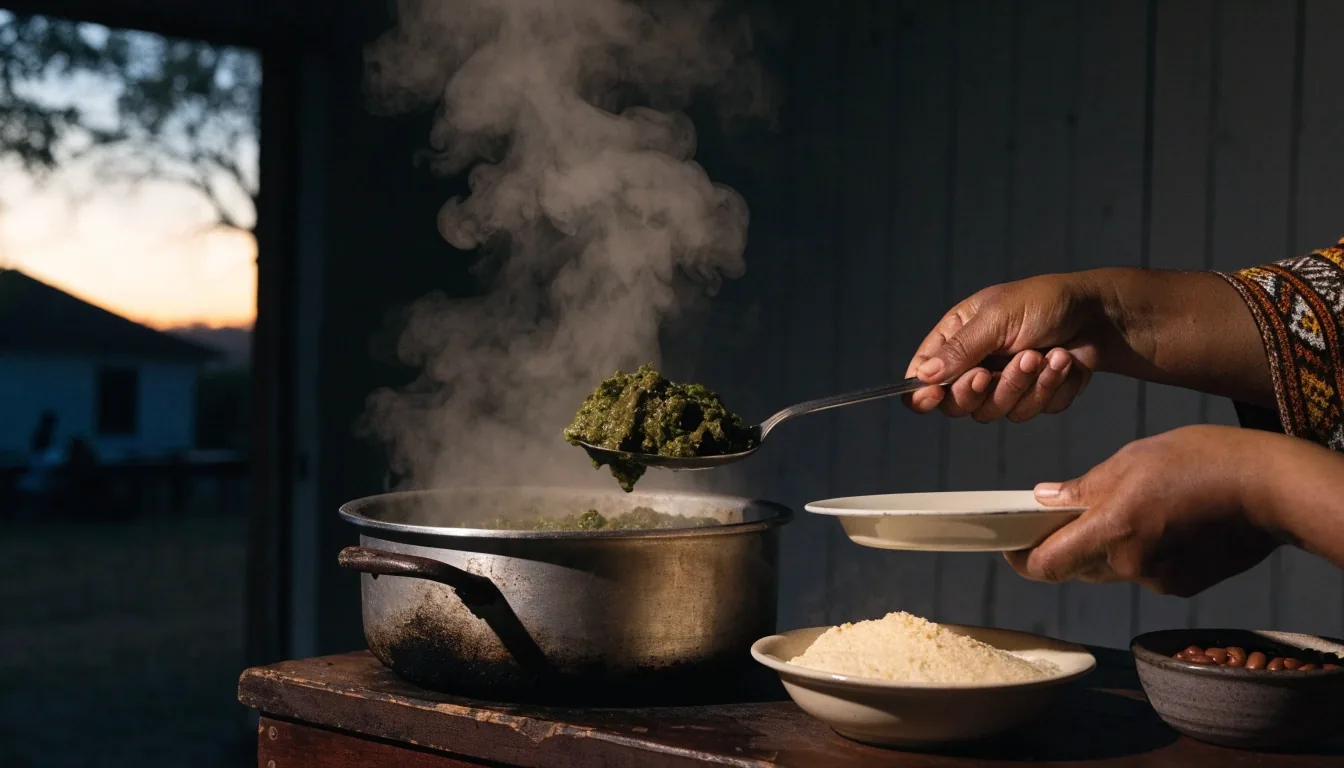
Cooking method decides how much of what you paid for actually reaches the plate. Long boiling strips some vitamins from vegetables; light steaming, a quick stir-fry, or adding morogo late to the pot keeps more of them.
Cooking that keeps nutrition in
Cooking beans with a little tomato and onion costs no more than boiling them plain, and it makes them easier to eat regularly. Two habits carry most of the difference: shorten the time vegetables spend in water, and season the pot rather than the plate.
None of this requires new equipment. A covered pot, a spoon, and a willingness to taste as you go are enough.
Habits worth keeping in the kitchen
- Add morogo or spinach near the end, not at the start
- Steam or stir-fry rather than boil vegetables to softness
- Cook beans with tomato and onion so they get eaten more often
- Keep the cooking water when it is a soup base, not always down the sink
Iodized salt and other small household choices
Iodized salt is a quiet public health win that shows up on most kitchen shelves. Universal salt iodization is a priority measure in Botswana's national nutrition planning. Using it is not a lifestyle upgrade; it's the normal and correct choice for a household. Buying it is one small decision with a clear public health rationale behind it.
Small choices stack the same way: iodized salt in the pot, a glass of water at every meal, fruit bought in season rather than out of it. Individually they look minor. Across a month they change what the household actually eats.
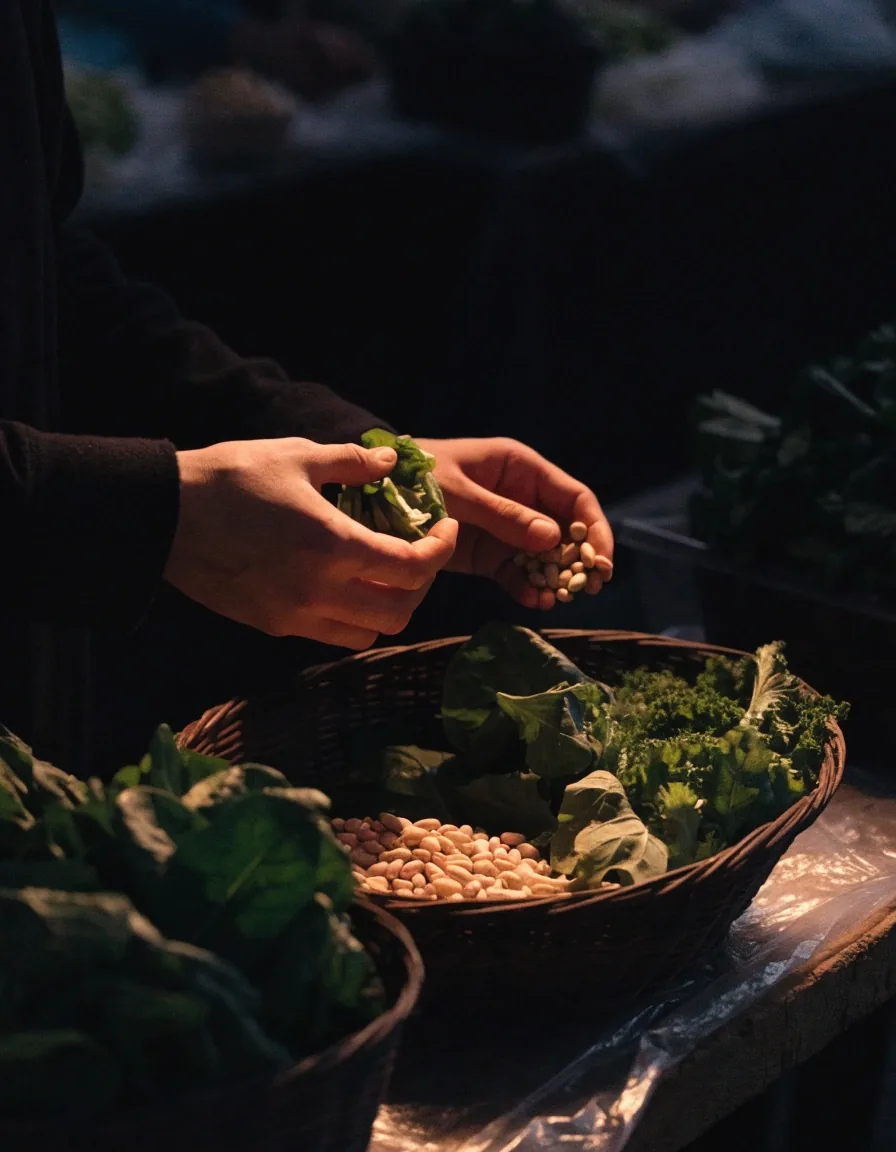
Eating well when food prices rise
When prices climb, protection comes from flexibility. Shift toward whichever legume and vegetable are cheapest that month, buy staples in the largest package your budget allows, and cut sweetened drinks before cutting protein. Reducing meat frequency and replacing it with beans is not a downgrade. It's a rebalance.
A few swaps do most of the work. Instead of a meat-heavy stew, cook beans with tomato and onion and serve the meat as a smaller portion alongside. Instead of out-of-season fruit, buy whatever is cheapest that week and buy more of it. Instead of a larger bag of one staple, buy the same weight split across two or three different foods.
The habit underneath all of it is monitoring. Prices move month to month, and the household that re-checks the shelf knows which swap is worth making this month and which is not.
Reading a plate in three seconds
Look at your plate and ask two questions: where's the fibre, and where's the protein besides the grain? If both answers are visible, you're probably fine. If neither is, you have something to fix tonight, not next month.
Where is the fibre? If there is no vegetable, legume or fruit anywhere on the plate, add one — morogo, beans, pumpkin or a piece of fruit all count.
Where is the protein besides the grain? Beans, an egg, tinned fish or a spoon of peanut butter all answer this without an expensive cut of meat.
Fix the next meal rather than the whole week. One different companion food in the pot tonight is a real improvement, and repeating it is what changes the pattern.
Questions from the kitchen
Short answers to the three things households ask most often when they start changing what sits beside the staple.
Still unsure how a swap fits your household? Bring your usual week's meals to a consultation and we can work from what you already cook.
Do I need to cut out maize meal?
No. Maize meal is affordable energy and it stays. Add beans, vegetables, or an egg alongside it and the meal gets more complete without the staple changing.
Are tinned foods acceptable?
Yes, especially tinned fish and tinned beans. They are cheaper than fresh equivalents in many months and they keep. Watch the salt if you are managing blood pressure, and drain and rinse where you can.
How do I know if my diet is affecting my energy?
Persistent afternoon crashes, difficulty concentrating, frequent headaches, and feeling worn out after small tasks are common signals worth investigating. Sleep and hydration matter as much as food, so look at all three.
Bring your usual week's meals and we will work from there.
Energy Balance Hub · Plot 712, Waterfront Plaza, President Avenue, Kasane, Botswana · +267 625 1470 · [email protected] · Monday to Friday, 8:00 AM – 5:00 PM; Saturday, 9:00 AM – 1:00 PM
This page offers general nutrition information. It is not medical advice and does not replace a consultation with a qualified health professional.